
Helping Preschoolers and Kindergartners Lay the Foundation for Reading Success
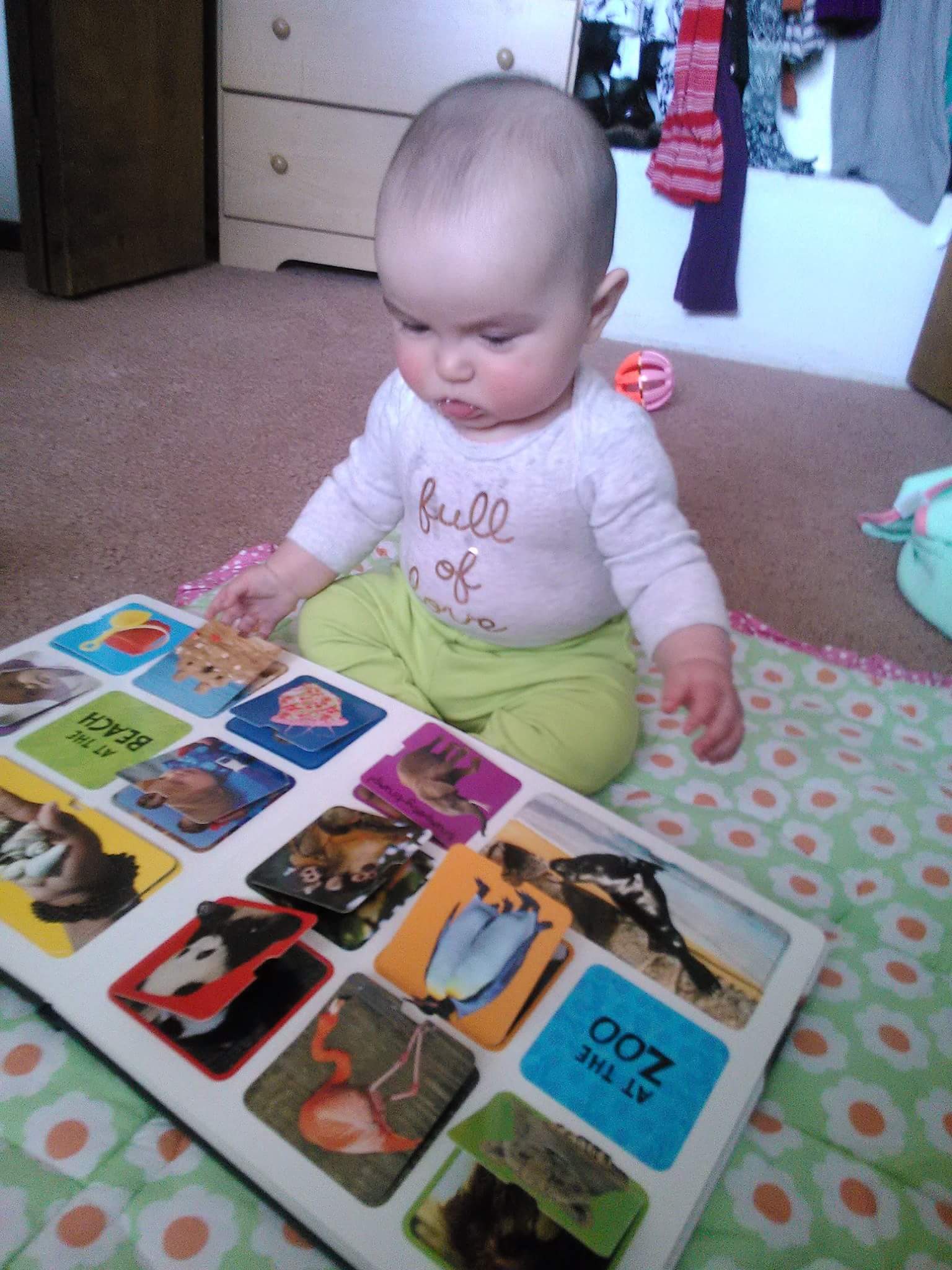 Sometimes caregivers/guardians worry about teaching their students "school-related"
information. They are afraid of making mistakes--perhaps harming their students' learning
in some way, or of doing so much that their students will be bored in school. Nothing
could be farther from the truth! Laying the foundation for reading success can and
should start at home. In fact, for many students - especially those who may have reading
difficulties - an early start is essential for reading success.
Sometimes caregivers/guardians worry about teaching their students "school-related"
information. They are afraid of making mistakes--perhaps harming their students' learning
in some way, or of doing so much that their students will be bored in school. Nothing
could be farther from the truth! Laying the foundation for reading success can and
should start at home. In fact, for many students - especially those who may have reading
difficulties - an early start is essential for reading success.
Read Aloud to Your Students Every Day!
This is the single most important activity you can do to lay a foundation for your
students' reading success. Here are some suggestions:
- Choose books on subjects you know your student is interested in. These may include nursery rhymes, books with patterned verses, or rhythmical text.
- Vary the types of books you read - (adventure, animal stories, fairy tales, nursery rhymes, familiar characters, etc).
- Talk about stories as you read them aloud. Ask your students, "What just happened?" and "What do you think will happen next?" (Then, check to see if prediction was accurate).
- Re-read the stories your students enjoy. They may "pretend" read them after several readings. Encourage this.
- Explain words or concepts in the story that your students may be unfamiliar with.
- Use expression as you read aloud to make the text come alive!
Play Games with the Sounds in Words You Say Out Loud.
- Rhyming - example: "What words rhyme with 'cat?'"
- Initial sound - example: "What sound do you hear at the beginning of 'paint?'"
- Syllable breaks - example: "Let's clap out the beats we hear in 'Pokemon!' Now let's try 'basement.' Now let's try 'marshmallow.'"
(These are phonological awareness games. They are important for pre-readers because they help develop the ability to attend to small sounds in speech-an important predictor of reading success. For more ideas, ask your students' teacher)
Help Your Students Learn to Name the Letters of the Alphabet (Upper AND Lower Case).
Learning the ABC song is a good place to start. From there you can use magnetic letters,
wooden letter puzzles, games or other manipulatives to teach the names and sounds
of individual letters.
One activity that preschool students enjoy and profit from requires only a puppet with a moving mouth, your refrigerator, and a set of magnetic letters. Put 2 dissimilar letters on the refrigerator (e.g., m and t; not b and d!). One should be a letter that your student knows and one should be a letter that is unknown or less familiar. Talk about the name of the unfamiliar letter. Ask your student to repeat the name several times. Then, have the puppet say, "My name is Charlie Chicken and I love to eat letters! Can you feed me an 'm?'" The puppet "gobbles" the letter and asks for another one. As the student feeds the puppet, the puppet asks, "What is the name of this letter? What sound does it make? Tell the name again!" Re-teach as needed. Over time (months!), work through the entire alphabet. This activity is often good for a solid 10 minutes of alphabet work with a preschooler or kindergartner.
Once Your Students Know Letter Names and Sounds-Start Writing!!
Encourage your students to use their knowledge of letter names and sounds to write
notes, picture captions, lists, and stories. Help them stretch words out to hear the
individual sounds.
For example, when your daughter asks, "How do you spell 'dog?'" tell her to stretch the word out to hear the first sound. When she responds, "duh, duh, duh," ask her, "What letter makes that sound?" When she responds, "d," say, "Good job! Write 'd,'" and so on. At this early stage of development, don't worry about correct spelling - as students engage in the simple exercise of "listening for the sounds" - as they write words, they develop important reading and spelling skills.
Other Helpful Activities Include:
- Outside the home, point out signs and labels to your students.
- Take your students to the library and bookstores. Sign up for their own library cards and use them often.
- Have a variety of books, magazines, and other reading materials at home.
- A student's own "library" in his or her room encourages a value for books.
- Tape labels on objects such as 'bed,' 'chair,' 'doll,' 'table.'
- Have your students help you make grocery lists.
- Have your student help you "read" a recipe as you make food.
- Read aloud from an easy, predictable book, being sure to point under each word. Then, ask your student to "copycat" you by pointing and "reading" the same page. Eventually, students will be able to "finger point read" their favorite predictable books. This ability to match voice to print while pointing is an important early reading skill that you can encourage at home. For additional recommendations to help young students on the road to literacy, view Utah State Standards for Preschool at https://preschool.uen.org/corestandards.shtml.